
Give a fact a memorable disguise
A mnemonic is a memory aid: a word, sentence, rhyme or image that helps you recall information. It links what you need to remember with something easier to bring to mind.
Stanford’s guide to mnemonics explains the idea through associations. The cue might be wonderfully sensible. It might also involve an otter doing the shopping.
Five lakes move into HOMES
HOMES can remind you of Huron, Ontario, Michigan, Erie and Superior, the five Great Lakes of North America. Each letter stands for one name.
James Madison University uses this example in its learning toolbox. It helps you recall the names, rather than their positions on a map. A short cue still has a specific job.
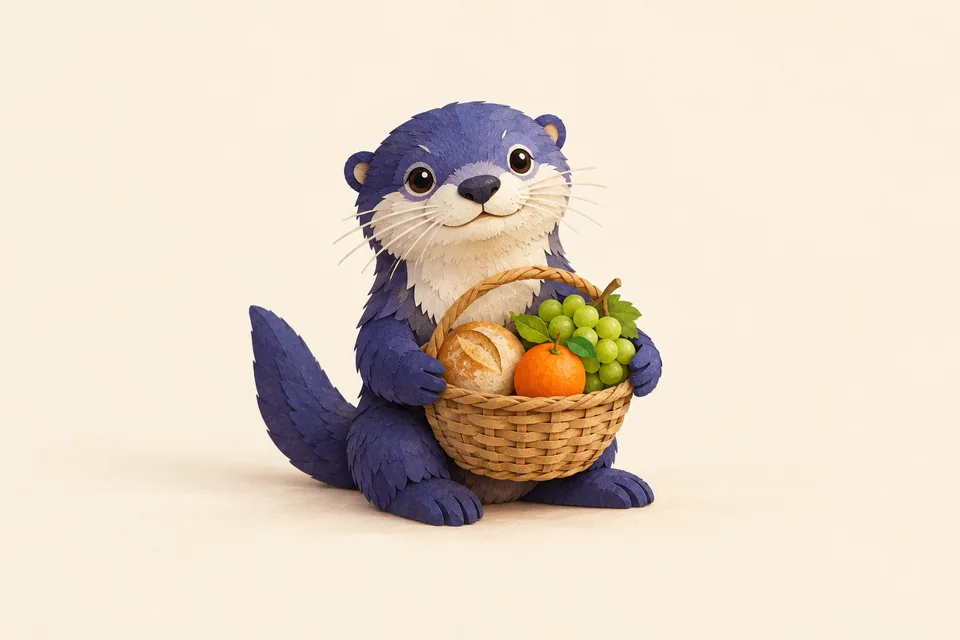
An otter does the shopping
Suppose your list is bread, oranges and grapes. Our invented sentence is “Brave otters gather.” Its first letters, B, O and G, match the groceries.
Imagine an otter collecting all three. The picture is ridiculous; the link is deliberate. You still need to learn which item each letter represents. Otherwise, you may remember the otter and forget dinner.
Keep the cue useful
A good mnemonic is easier to remember than the information it supports. Start small, practise the cue alongside its meaning, and check that it brings back the right answer.
For another way to organise information, try chunking familiar groups. Then explore how to revisit an interesting quiz answer. The cue is a starting point, not the whole lesson.