Science & nature

2 min read
Why is the sky blue?
A blue sky is not a reflection of the sea. Discover how sunlight and tiny molecules in the air give the daytime sky its familiar colour.

Find a curious question. Leave with a new idea.
Science & nature
2 min read
A blue sky is not a reflection of the sea. Discover how sunlight and tiny molecules in the air give the daytime sky its familiar colour.
Science & nature

2 min read
The Sun has not changed into a red lamp. Follow its longer evening path through the air to see why sunsets can look orange or red.
Everyday inventions

2 min read
A lever, a rush of water and a tiny float do a surprisingly clever job. Follow what happens inside an ordinary gravity-flush toilet.
Science & nature

2 min read
A ribbon of wind can leave a pocket of weather behind. Discover how a DANA forms and why moist air can turn that pattern into heavy rain.
Numbers & logic
2 min read
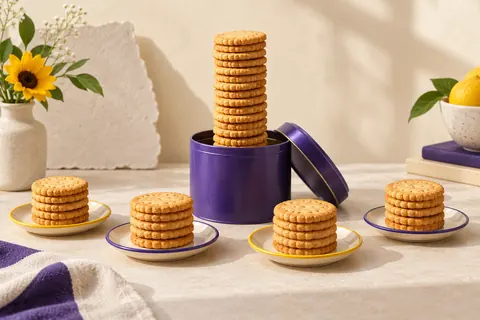
Five friends bring biscuits. One brings a whole tin. Discover why the mean and median tell different stories about the same snack.
Science & nature
2 min read
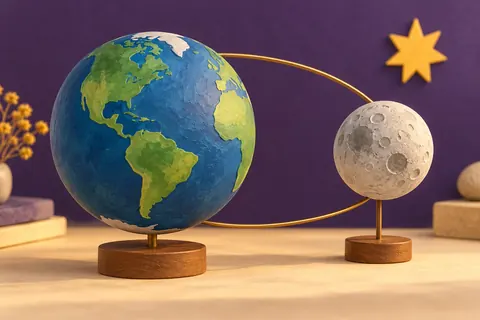
The Moon really does rotate. Discover the neat timing behind its familiar face—and why the far side is not always dark.
Science & nature
2 min read
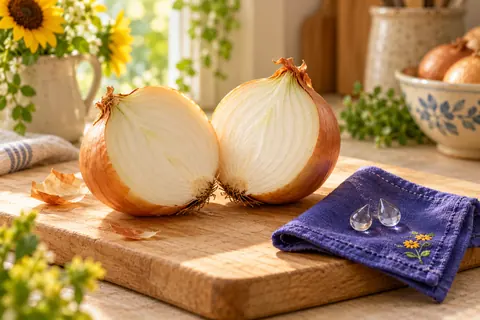
An onion can turn dinner prep into a tearful scene. Meet the tiny airborne irritant behind the drama and the chemistry of a cooler onion.
Everyday inventions
2 min read
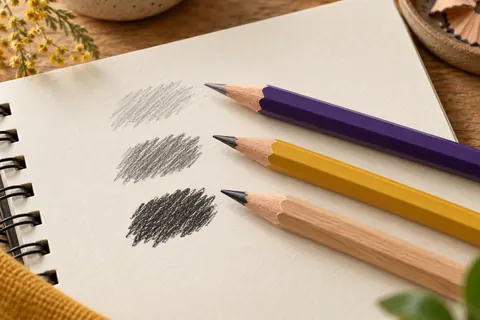
The tiny letters on your pencil explain its mark. Decode H, B, HB, 2H and 2B without turning your desk into an art shop.
Words & puzzles
2 min read
A loud silence, a bittersweet goodbye and a word that argues with itself. Explore the little contradictions that make English surprisingly expressive.
Numbers & logic
2 min read
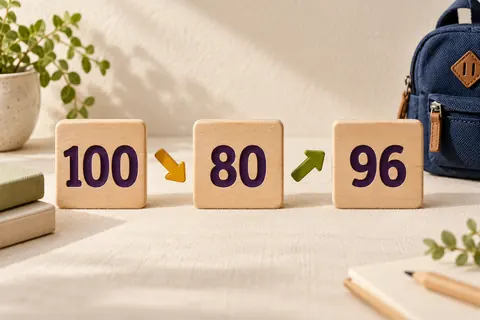
A backpack goes from 100 to 80 to 96. Follow the changing starting amount to uncover the percentage trick hiding in plain sight.
Numbers & logic
2 min read
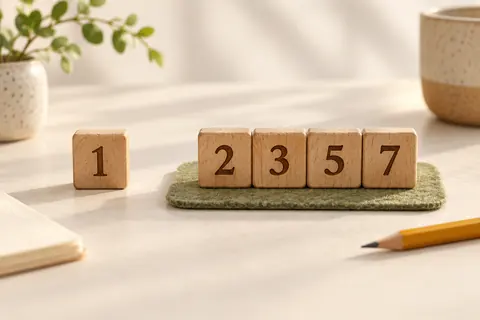
Seven biscuits, a stubborn number and a tiny counting rule. Discover what makes a prime number, why 1 is neither prime nor composite, and why 2 is special.
Numbers & logic
2 min read
Five heads in a row feels like a pattern. Find out why tails is not due next, and why predicting a whole run differs from predicting one more flip.
Curiosity

3 min read
The northern lights can glow green, red or purple. Follow a tiny collision high above Earth to discover where those colours come from.
Curiosity
3 min read
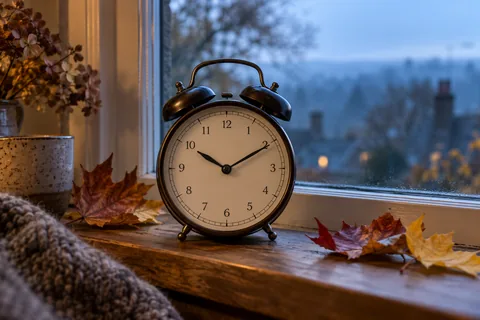
The clock can show the same hour twice, yet the Sun keeps moving as usual. Discover what the autumn clock change actually changes.
Words & puzzles
2 min read
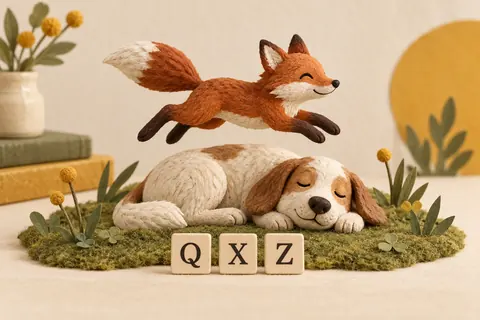
A sleepy dog, a jumping fox and all 26 English letters. Discover the trick inside this familiar sentence—and the tiny edit that breaks it.
Numbers & logic

2 min read
Your picnic drink has a 1:3 ratio. Find out what those numbers compare, why the total is four parts, and how to make a bigger batch.
Numbers & logic
2 min read
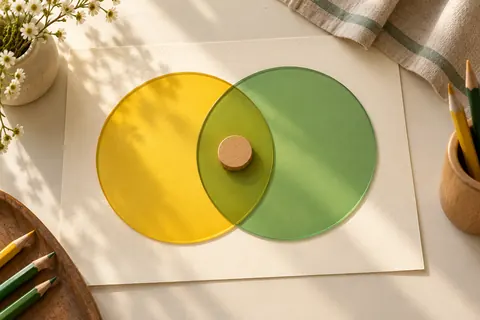
Five friends order pizza, but adding two topping lists counts Maya twice. Read the circles, find the overlap and see how to count each friend once.
Science & nature
2 min read
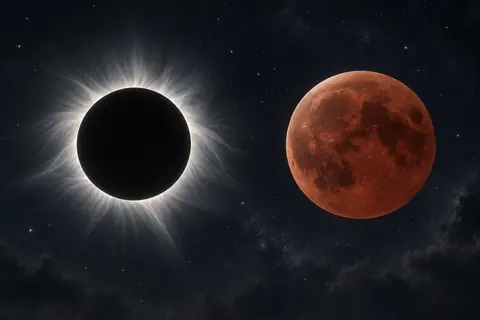
The Sun, Earth and Moon can make two very different shadow shows. Discover which object moves between the others, and why it does not happen every month.
Words & puzzles
2 min read
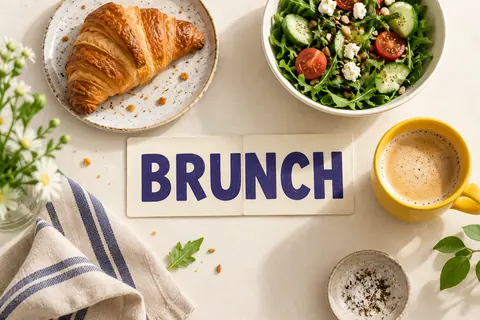
Brunch packs two meals into six letters. Discover how portmanteau words work, spot three familiar examples and try unpacking a word yourself.
Numbers & logic
2 min read
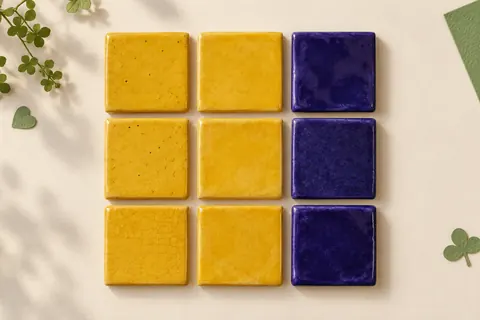
Nine tiles make a three-by-three square. See why square numbers have that name, what the little 2 means and the odd pattern hiding between them.
Words & puzzles
2 min read
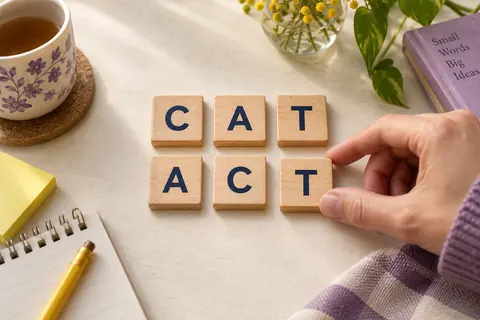
A small shuffle can turn a cat into an act. Discover the trick behind anagrams, the repeated-letter trap and a few words to try yourself.
Words & puzzles
2 min read
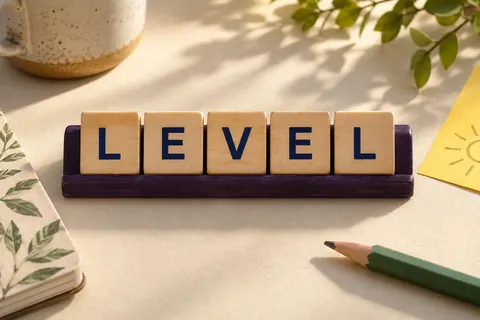
Read LEVEL backwards and it refuses to change. Meet words that work in both directions, then try a sentence with the same little trick.
Curiosity
3 min read
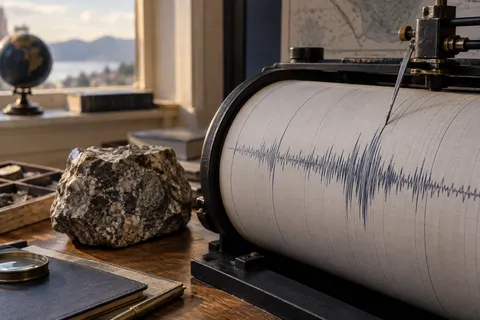
An earthquake begins in one place, yet people far away may feel it. Follow the travelling waves to see how the shaking reaches them.
Curiosity
3 min read
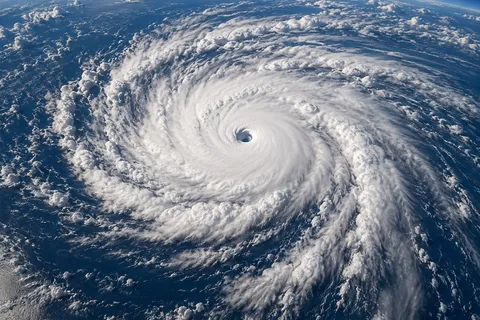
A hurricane can have a quiet centre surrounded by fierce winds. The surprising difference comes from what the air is doing inside the storm.
Numbers & logic
3 min read
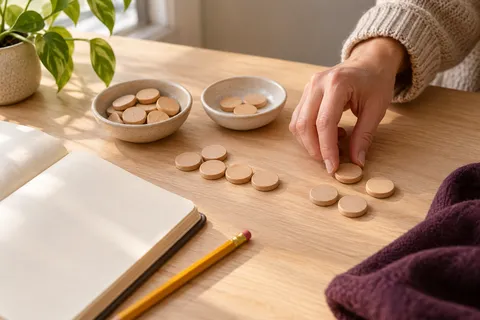
Five friends, one bill. Learn a quick way to divide by 5, see why it works, and handle decimals without losing a digit.
Numbers & logic
3 min read
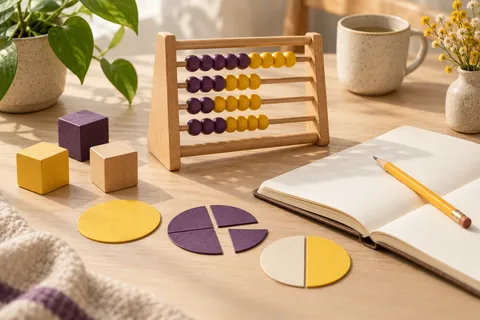
Make numbers feel less mysterious. Seven short guides take you from tens and ones to addition, division, fractions and decimals—with everyday examples.
Curiosity
3 min read
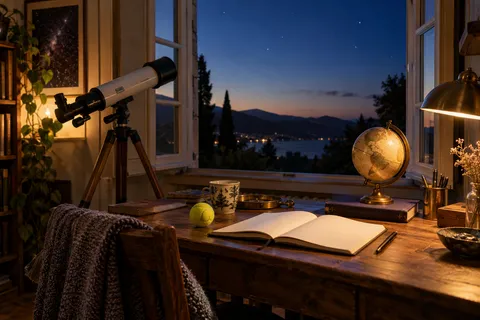
Imagine checking the clock at midnight and finding the Sun still above the sea. A small tilt of our planet makes this northern summer surprise possible.
Curiosity

3 min read
A slippery egg white becomes a mound of foam. Follow the tiny bubbles inside a meringue and discover what the whisk is really doing.
Learning
3 min read
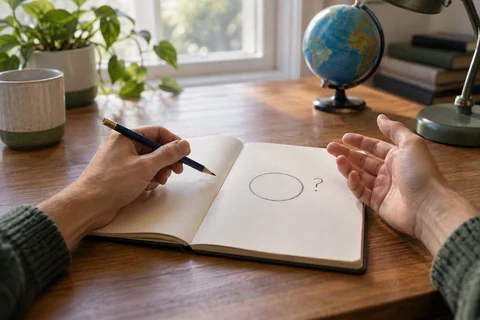
Try explaining one answer in your own words. Find any missing steps, check the source, and see what you understand so far.
Everyday inventions
3 min read
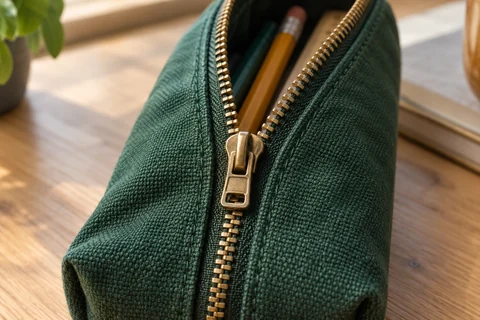
Follow the tiny teeth through a zipper’s slider, spot its three main parts, and try a quick challenge with a zip you already own.
Sports

2 min read
A smooth golf ball sounds like an upgrade. The air disagrees. Find out what dimples do and why there is no single correct dimple count.
Science & nature
2 min read
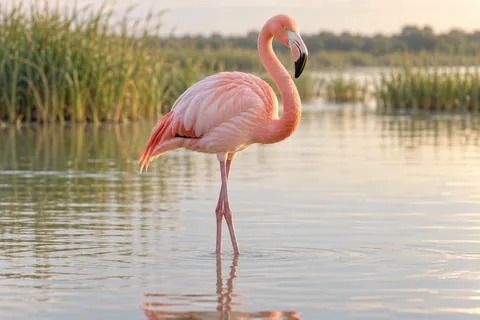
A flamingo’s pink colour starts with its food. Find out why its feathers turn pink and why its chicks look so different.
Geography

2 min read
Most national flags are rectangles. Nepal’s has two pointed parts, a moon and a sun. Learn to spot its unusual shape.
Getting started
2 min read
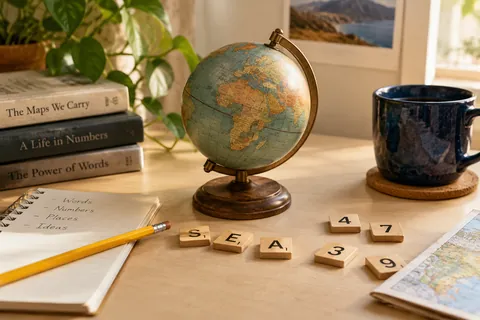
Do you enjoy words, numbers or flags? Find a game that suits you and see how to play your first round.
Getting started

2 min read
Finish the main Daily, share your score and invite a friend to beat it. A quick guide to sending a personal challenge without spoilers.
Words & puzzles
3 min read
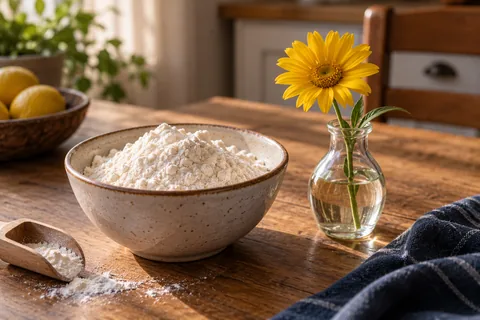
Homophones sound alike but mean different things. Untangle flour and flower, knight and night, then use a sentence clue to choose the right word.
Sports

3 min read
Why do tennis players swap ends, and when? Follow a few simple scores to spot a changeover, understand tie-breaks and see why switching is not always a rest.
Numbers & logic
3 min read
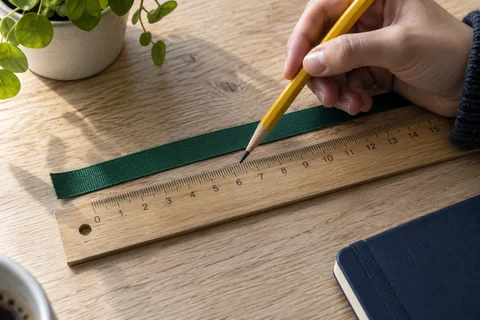
What do the numbers after the dot mean? Cut a ribbon into equal pieces to explore 0.5, 0.05 and 1.3, one step at a time.
Numbers & logic

2 min read
Count one object at a time and discover why an empty cup still has a number.
Numbers & logic
2 min read
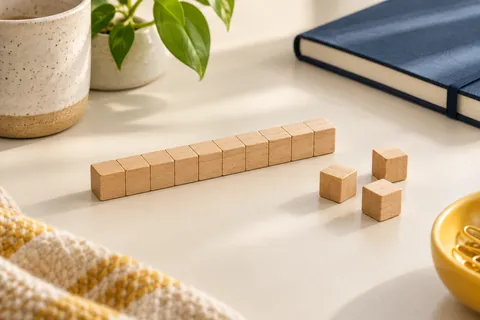
Bundle ten little cubes into one group and discover how the position of a digit changes its value.
Numbers & logic
2 min read
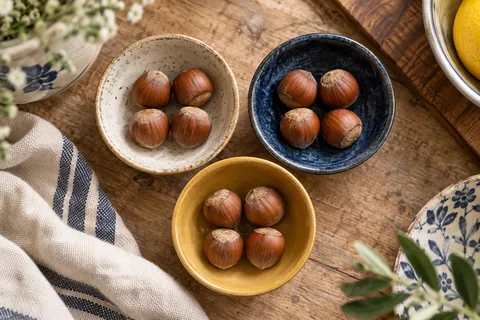
Share a pile into equal groups, check by multiplying, and notice what happens when something is left over.
Numbers & logic
2 min read
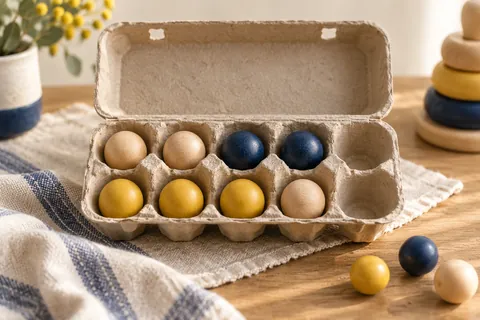
Turn 8 + 5 into a small, visible exchange: fill the ten first, then count what remains.
Numbers & logic
2 min read
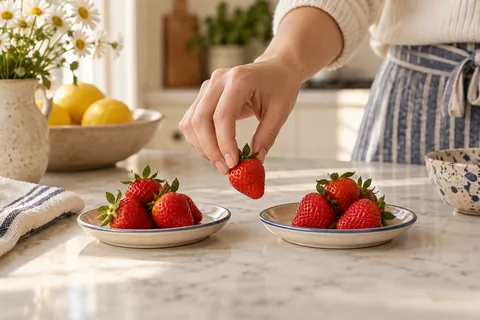
See why four groups of six can become two groups of twelve without changing the total.
History
2 min read
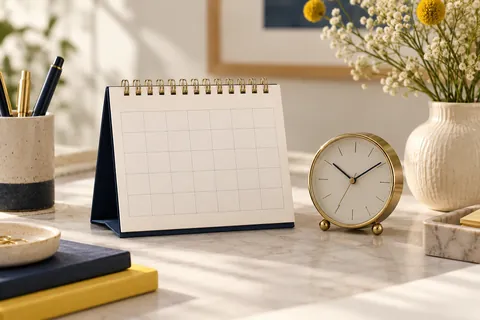
Count days from Monday, see why a month is longer than four weeks, and find out when a year gets an extra day.
Science & nature
2 min read
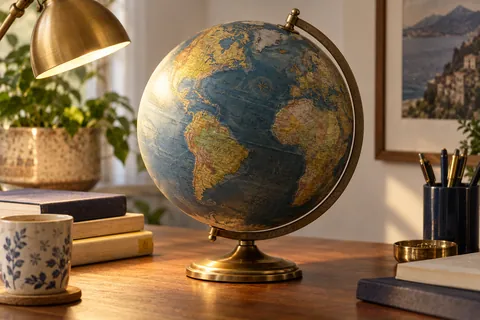
Shine a lamp on a globe and turn it slowly. See why your side of Earth has day while the other side has night.
Numbers & logic
2 min read
A half needs two equal shares. Learn why cutting something into two pieces is not always the same as halving it.
Numbers & logic
2 min read
The bottom number names the pieces. The top number counts how many of them you have.
Numbers & logic
2 min read
Split each piece again and watch the numbers change while the shaded amount stays still.
Numbers & logic

2 min read
Compare equal-size strips before relying on the written numbers, and learn two useful shortcuts.
Numbers & logic
2 min read
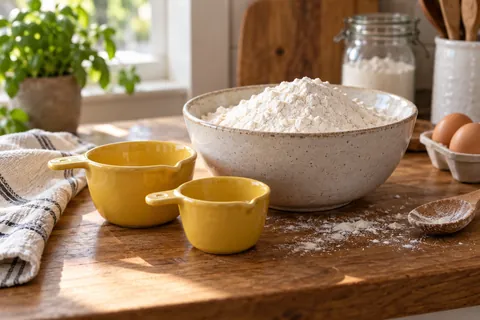
Colour a few equal pieces, add some more, and count them together. Then try adding halves and quarters with a paper strip.
Numbers & logic
2 min read
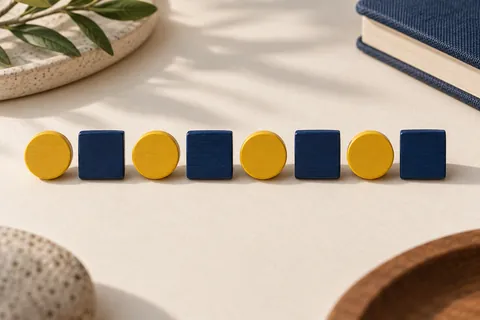
Spot the little block that repeats in a row of shapes or letters. Check it against the whole pattern, then try the next step.
Numbers & logic
2 min read
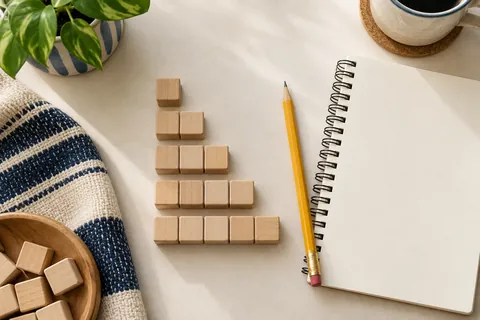
Are the numbers adding three, doubling, or taking turns between two changes? Write down each step to find a rule that fits.
Numbers & logic
2 min read
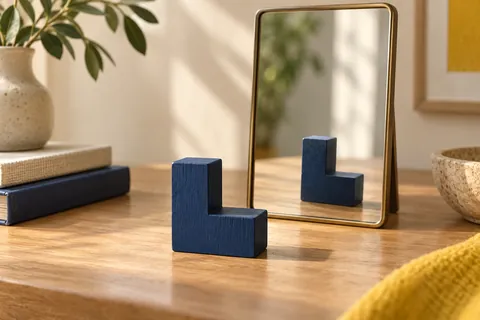
Turn a paper shape, then look at it in a mirror. Follow a marked corner to see what changes.
Numbers & logic
2 min read
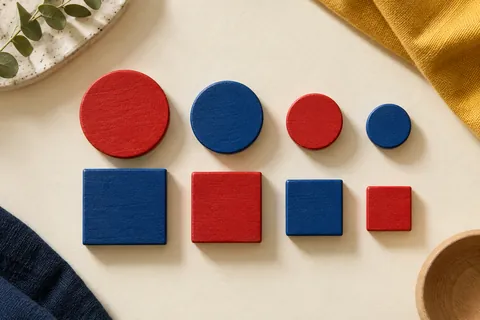
Sort by shape and colour, then explore why “and” and “or” select different objects.
Numbers & logic
2 min read
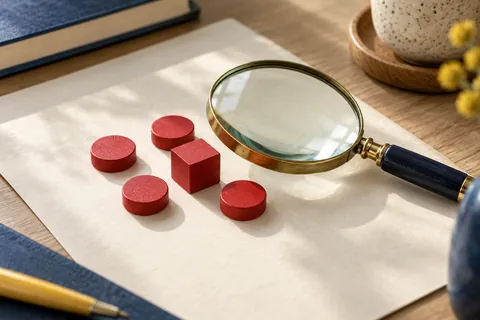
Draw a few coloured tokens to see the difference between something you know for sure and something that could be true.
Learning

3 min read
A logo can feel familiar while its details stay fuzzy. Try a quick drawing challenge, then discover what an Apple-logo study found about confidence and memory.
Numbers & logic
2 min read
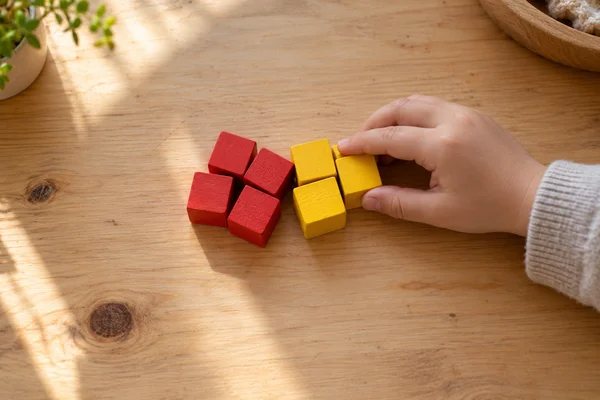
Put two little piles together and count what you have. Use a few everyday objects to learn what + and = mean, and build your first sums.
Numbers & logic
2 min read
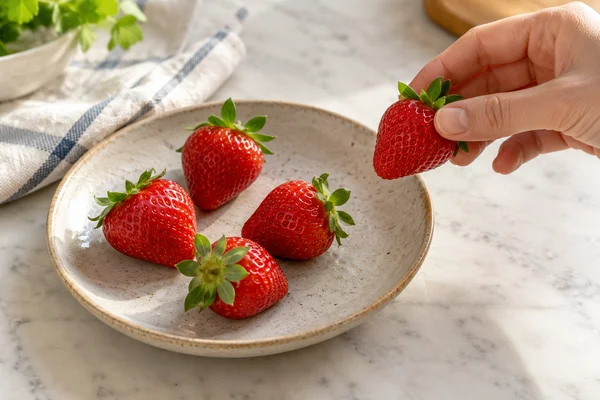
Start with a small pile, take a few away, and count what remains. Try it yourself, then use addition to check your answer.
Numbers & logic
2 min read
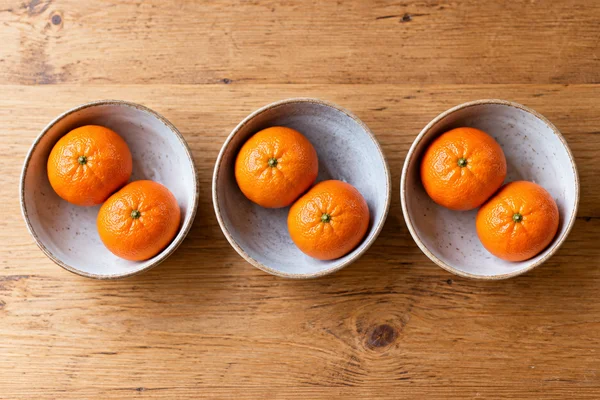
A few bowls of fruit can explain multiplication. Build equal groups, count them, and explore a times table without memorising it first.
Words & puzzles
3 min read
Dust can mean adding something or taking it away. Meet contronyms, the words that pull in two directions, and try a few examples.
Learning
3 min read
Guessing before reading can sometimes help you learn. Try a short question, then see what a pretesting study found—and what it did not.
Sports
2 min read
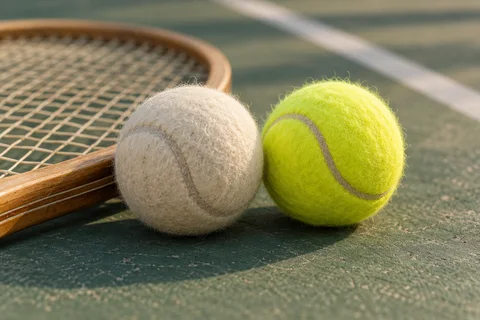
Tennis balls were not always yellow. Television helped change their colour, but Wimbledon kept its white balls for another fourteen years.
History
2 min read
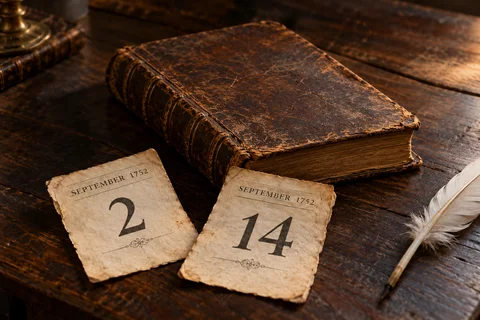
Go to bed on 2 September. Wake up on 14 September. That happened in Britain in 1752—but nobody slept for eleven extra nights.
Everyday inventions

2 min read
A plant burr clinging to fabric gave George de Mestral an idea. Look closely at the hooks and loops behind a familiar reusable fastener.
Everyday inventions
3 min read
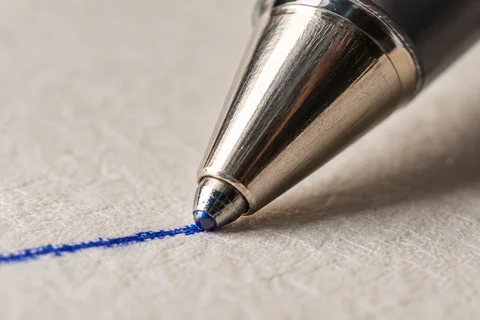
A ballpoint pen does more than let ink out of a tube. Its rolling tip transfers ink to the page—and helped solve a problem with thicker ink.
Words & puzzles
3 min read
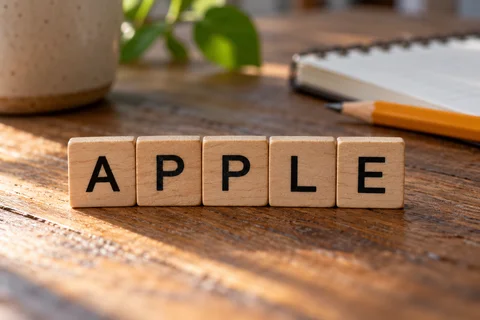
One L turns yellow; the other turns grey. A worked example explains what repeated letters tell you in a five-letter word puzzle.
Everyday inventions
2 min read
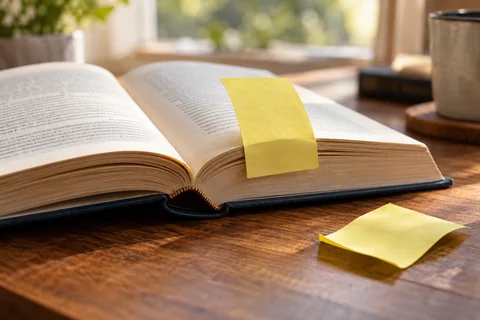
A bookmark kept falling out. A glue was not very sticky. Together, those two problems led to Post-it Notes.
Everyday inventions
2 min read
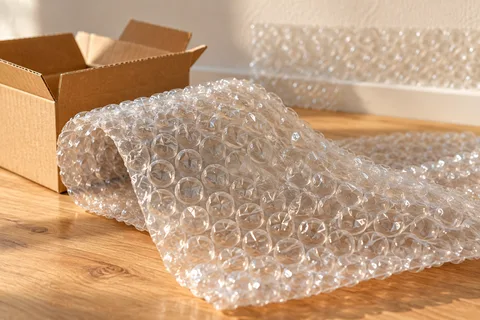
Before it protected parcels, bubble wrap was meant to decorate walls. The familiar packing material began with a very different plan.
Numbers & logic
3 min read
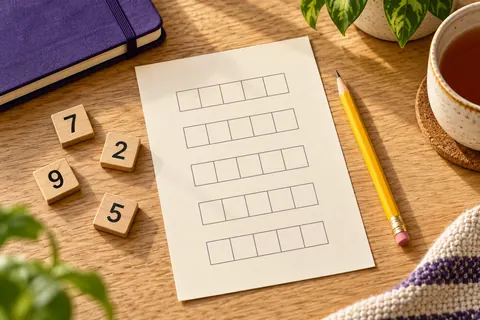
A pencil, four numbers and a target. Try five original Number Route puzzles online or print the two-page sheet with explained answers.
Numbers & logic
3 min read
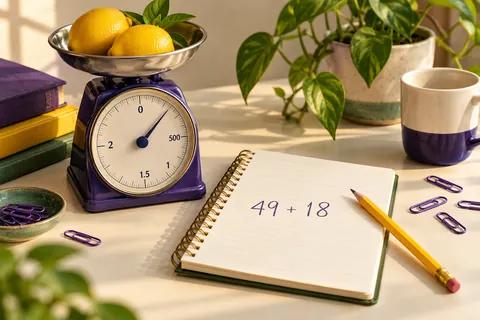
Start with a handful of counters, then try 38 + 27. One small change can make a sum easier, as long as you undo it afterwards.
Numbers & logic
3 min read
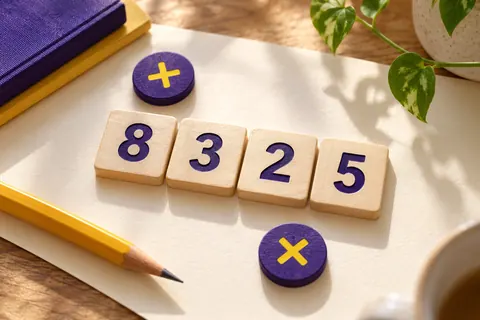
Four numbers, three missing signs and one target. Learn the left-to-right rule with a complete example, then try a route yourself.
Sports

2 min read
The Olympic rings represent unity, but their colours do not label individual continents. Discover the flag-colour story behind the familiar symbol.
Numbers & logic
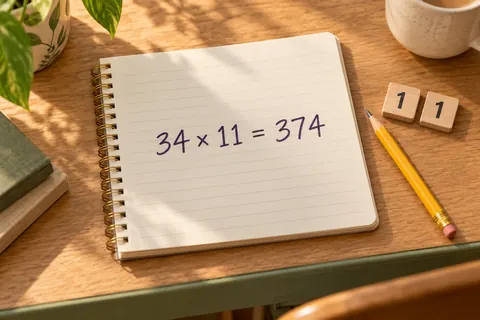
3 min read
Picture eleven bags with the same number of sweets in each. Count ten bags first, then add the last one. We’ll take it one step at a time.
Science & nature
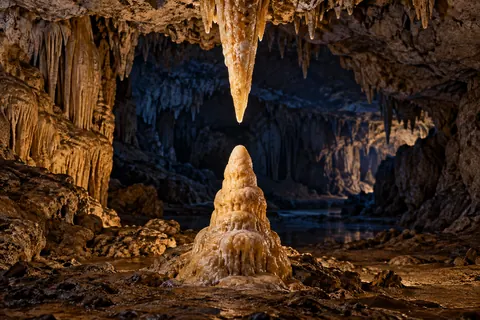
2 min read
One hangs from the ceiling; the other grows from the floor. Here’s how to tell them apart and remember their names.
History
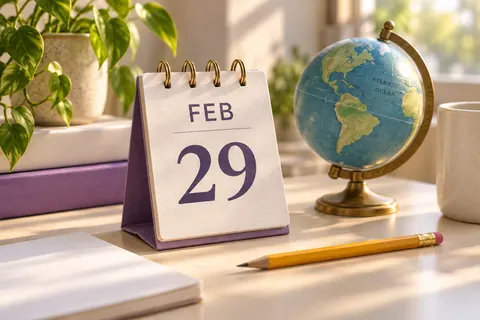
3 min read
2100 will not have 29 February. See why years ending in 00 need an extra calendar check, with a simple comparison of 2000, 2100 and 2400.
Sports

2 min read
Read a tennis score step by step: what 30–40 means, how deuce and advantage work, and how points become games, sets and a match.
Geography
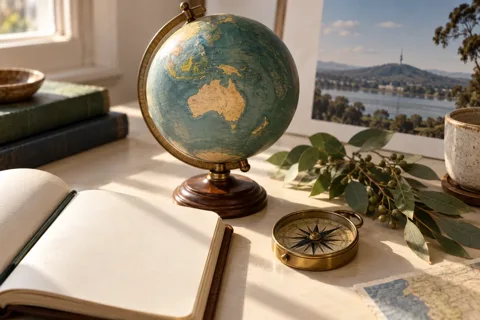
2 min read
Canberra became Australia’s capital as a compromise between Sydney and Melbourne. Discover the 100-mile rule and what happened in 1908, 1913 and 1927.
Science & nature
2 min read
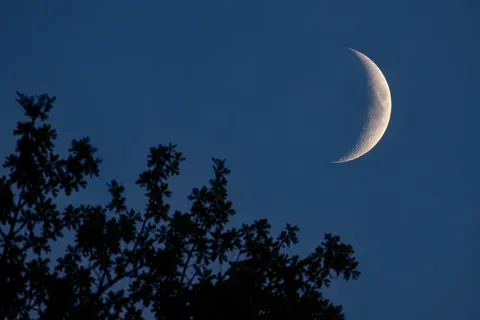
One night it looks like a thin smile; another night it is a bright circle. The Moon stays round. What changes is how much of its sunlit side we can see.
Numbers & logic
3 min read
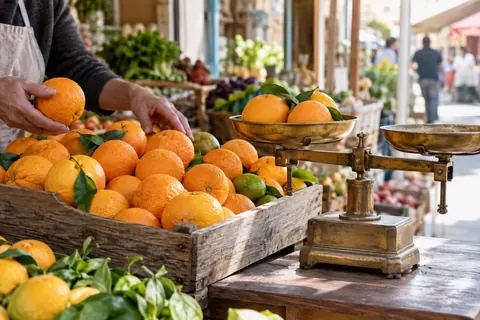
Percentages are a way to describe a part of something. Start with shaded squares, then use halves and small equal groups to make sense of the numbers.
Science & nature
1 min read
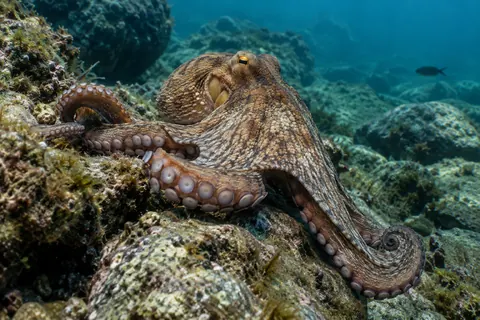
Two hearts send blood to the gills, while a third supplies the body. And that blood has an unusual colour.
History
2 min read
A century is a group of one hundred years. Imagine putting the years into numbered boxes and the awkward dates start to make sense.
Words & puzzles
3 min read
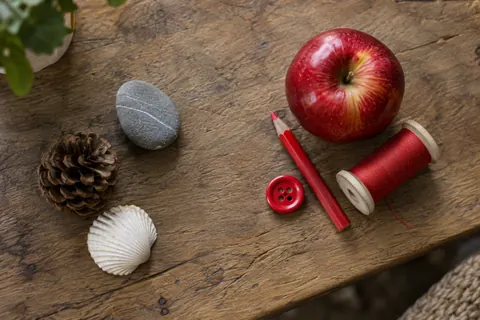
A word can have more than one meaning. Here’s how to spot the connection that fits every clue.
Geography
2 min read
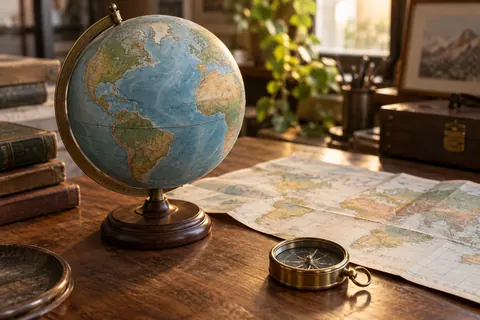
Greenland looks huge on Mercator maps because land near the poles is enlarged. Africa is about 14 times its area. Here’s how to compare them fairly.
Learning
2 min read
An answer can feel obvious as soon as you see it. Try recalling it later, without the clues, to see what has stuck.
Science & nature

2 min read
Earth leans as it travels around the Sun. That small tilt changes how much sunlight reaches us—and how long it stays light each day.
Numbers & logic
2 min read
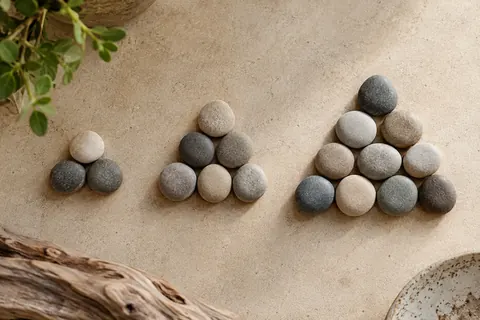
Look at the gaps, try doubling, or read every other number. Simple examples help you work out what could come next.
History
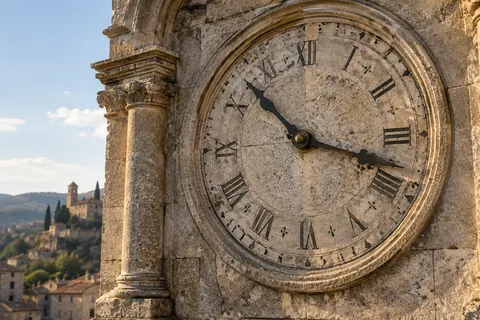
2 min read
Learn the seven symbols, spot the subtraction pairs and turn a date such as MCMXLIV into a number you recognise.
Geography
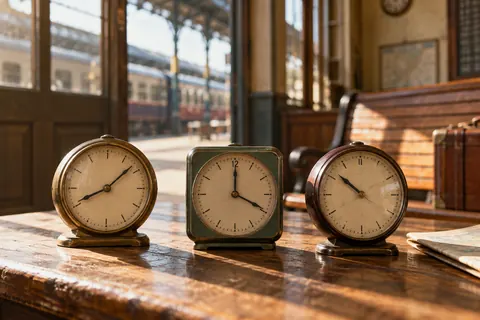
3 min read
Your afternoon might be someone else’s morning. Start with a turning Earth, then see why the lines on a time-zone map bend around countries.
Science & nature
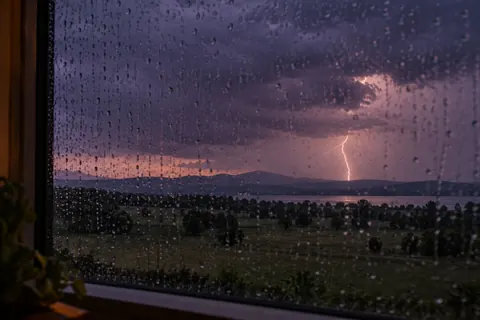
2 min read
The delay between a flash and its thunder tells you how far the sound has travelled. Here’s how the estimate works.
Geography
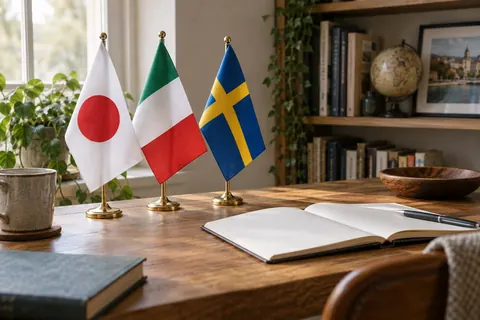
2 min read
Learn world flags by spotting layout, colour order and symbols. Compare France with the Netherlands, then test a small set without the labels.
Getting started
2 min read
Take on today’s shared challenges or choose a quiz on a favourite topic. A quick guide to finding your next game.
Academy
History · 4 lessons
Centuries, leap years and eleven missing days: untangle the oddities of our calendar, one short read at a time.
Academy
Numbers & logic · 7 lessons
Seven short lessons: start with equal pieces, read and compare fractions, meet decimals, then use ratios to make a picnic drink. Optional quizzes included.
Academy
Numbers & logic · 9 lessons
Short maths lessons from counting and equal sharing to squares, prime numbers and the difference between mean and median. Optional quizzes included.
Academy
Numbers & logic · 7 lessons
Seven short mental math lessons: make friendly numbers, round, double, divide and build percentages, then discover why equal percentage changes do not cancel. Optional quizzes included.
Academy
Numbers & logic · 7 lessons
Seven short lessons: find patterns, turn shapes, combine rules, count overlaps and discover why a fair coin does not remember earlier flips. Optional quizzes included.
Academy
Science & nature · 2 lessons
Discover why the sky is blue and sunsets turn red. Two short science lessons connect everyday sky colours to the journey of sunlight.
Academy
Science & nature · 6 lessons
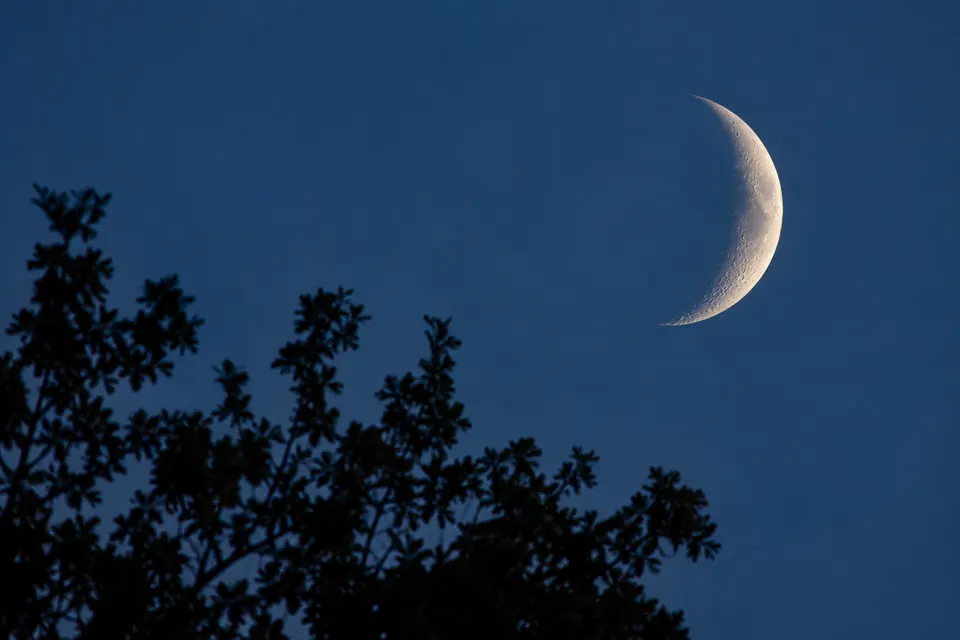
Explore day and night, Moon phases, seasons, time zones and eclipses, then discover why the Moon keeps its familiar face towards Earth.
Academy
Words & puzzles · 8 lessons
Eight short English lessons: follow context clues, explore meanings, rearrange letters, unpack blends and discover the contradictions inside everyday expressions. Optional quizzes included.
Try another word or browse all topics.