
BrainiLab Academy · Science & nature
Blue skies and red sunsets
Discover why the sky is blue and sunsets turn red. Two short science lessons connect everyday sky colours to the journey of sunlight.
Start learning →
What you’ll explore
A blue afternoon becomes an orange evening. What changed?
Start with the colours hidden in sunlight, then follow its longer path through the evening air. These two short lessons fit together; read at your own pace and try the optional quizzes.
One discovery at a time
Your lessons, step by step
- 1
 Read →
2 min read · Quick quiz
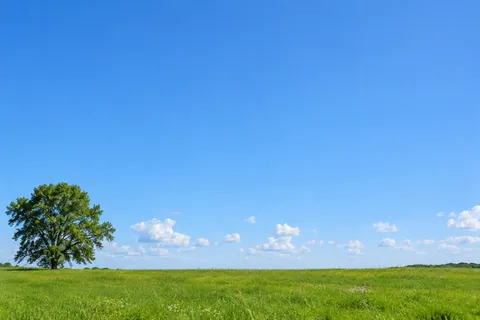
Why is the sky blue?
Connect the blue daytime sky to sunlight scattered by air molecules.
Ready when you are - 2
 Read →
2 min read · Quick quiz
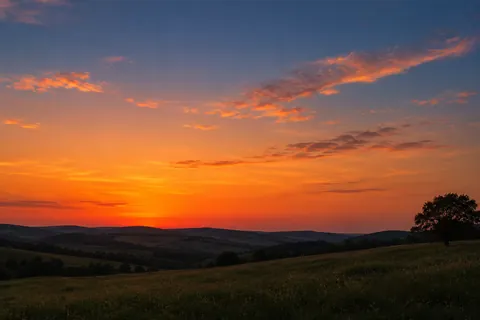
Why are sunsets red?
Explain how the low Sun’s longer air path changes the colours reaching us.
Ready when you are
A few words worth knowing
- Atmosphere
- The layer of gases around Earth.
- Scattering
- Light being redirected in different directions.
- Wavelength
- The distance from one wave peak to the next.
- Rayleigh scattering
- Scattering by very small particles such as air molecules, which redirects shorter wavelengths more strongly.
Curious to dig deeper?
- NASA Space Place — Why is the sky blue?
- Met Office — Why the sky is blue and sunsets red
- NOAA NESDIS — Sunlight, wavelengths and sky colour
- Royal Observatory Greenwich — Why is the sky blue?
Follow the sources, explore a little further, or tell us if something needs a correction. Suggest a correction.