
BrainiLab Academy · Numbers & logic
Fractions, one piece at a time
Seven short lessons: start with equal pieces, read and compare fractions, meet decimals, then use ratios to make a picnic drink. Optional quizzes included.
Start learning →
What you’ll explore
Start with equal pieces of one whole. Learn to read, compare and add fractions, then meet decimals and use a ratio to make a bigger batch of a drink.
Read at your own pace and check the small examples. Each lesson has an optional short quiz; you can return to any chapter whenever you like.
One discovery at a time
Your lessons, step by step
- 1
 Read →
2 min read · Quick quiz
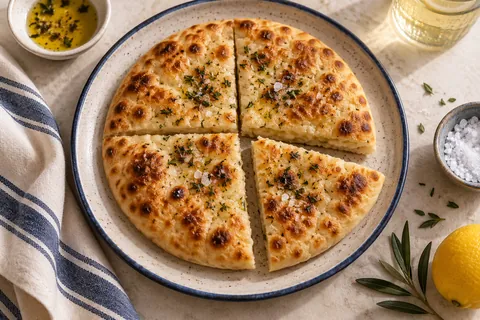
Fractions start with equal pieces
Recognise equal parts of the same whole.
Ready when you are - 2
 Read →
2 min read · Quick quiz
What do the two numbers in a fraction mean?
Explain the numerator and denominator using a picture.
Ready when you are - 3
 Read →
2 min read · Quick quiz
Why 1/2 and 2/4 mean the same amount
Show why different fractions can describe the same amount.
Ready when you are - 4
 Read →
2 min read · Quick quiz
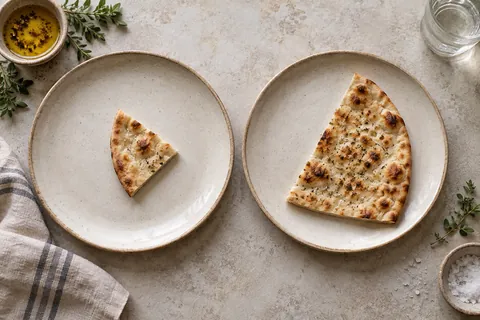
Which fraction is bigger?
Compare fractions using equal-sized wholes.
Ready when you are - 5
 Read →
2 min read · Quick quiz
How to add fractions, one piece at a time
Add fractions whose pieces have the same size.
Ready when you are - 6
 Read →
3 min read · Quick quiz
Decimals: what does the dot mean?
Use tenths and hundredths to write the same amount in a new way.
Ready when you are - 7
 Read →
2 min read · Quick quiz
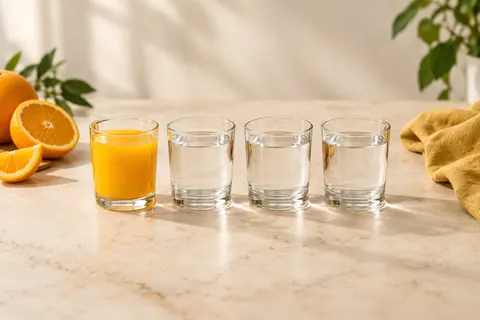
What is a ratio? One cup of juice, three cups of water
Read a ratio in order, distinguish a part-to-part ratio from a fraction of the whole, and scale both quantities together.
Ready when you are
A few words worth knowing
- Whole
- The complete amount used as the reference.
- Numerator
- The number of selected equal parts.
- Denominator
- The number of equal parts making one whole.
- Equivalent
- Describing the same amount, even with different-sized pieces.
- Decimal point
- The mark separating whole-number places from tenths, hundredths and smaller places.
- Ratio
- A comparison of two quantities in a stated order, such as juice to water.
Curious to dig deeper?
- Math is Fun — Fractions
- Math is Fun — Equivalent Fractions
- Math is Fun — Comparing Fractions
- Math is Fun — Adding Fractions
- OpenStax — Prealgebra 2e: Decimals (place value and fractions)
- OpenStax — Prealgebra 2e: Ratios and Rate
- NRICH — Blackcurrantiest
Follow the sources, explore a little further, or tell us if something needs a correction. Suggest a correction.