
Pink is on the menu
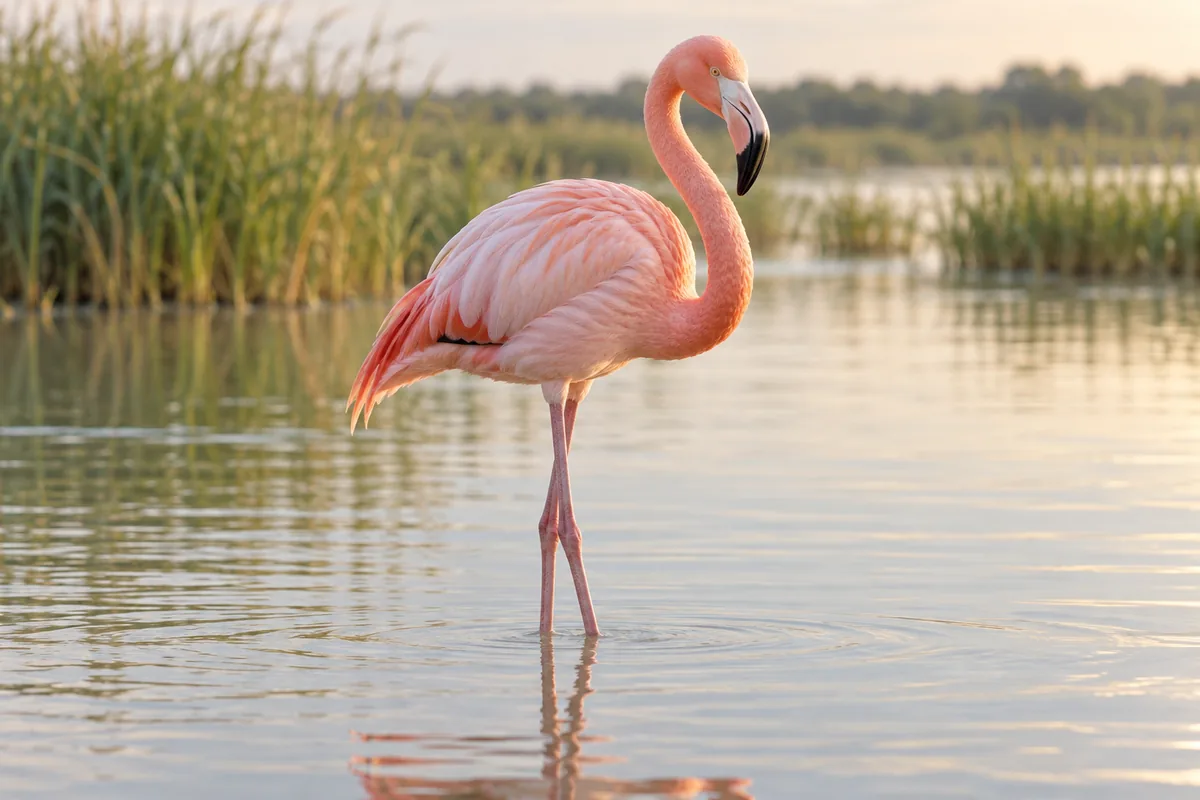
Flamingos are pink because of carotenoids: natural pigments in the algae and small animals they eat. Their bodies process those pigments, which colour the feathers as they grow.
The bird looks as though it arrived dressed for a party. Its food supply deserves some of the credit.
As the Smithsonian’s National Zoo explains, the pigments can reach a flamingo through algae or through brine shrimp that have eaten algae. The colour has travelled through a food chain before it reaches those feathers.
Are baby flamingos born pink?
No. Flamingo chicks hatch with pale, white-grey down. Their familiar adult colour develops over time. A fluffy grey chick beside a pink parent is not a different kind of bird that wandered into the family photograph.
Young flamingos also start with a straighter bill. Both the colour and that distinctive adult curve take time to develop. Nature does not always deliver the finished costume on day one.
So is the answer just “shrimp”?
Shrimp are part of the story, but “they eat shrimp” is an incomplete answer. Flamingo species eat different mixtures of algae and small aquatic animals. The useful thing to remember is the pigment, rather than one item on the menu.
They are filter feeders: water moves through the bill while small food particles are trapped. San Diego Zoo describes how different bill structures suit different-sized foods, from fine algae to small invertebrates.
At the zoo, a specially prepared diet can supply the pigments too. A flamingo does not need a miniature seafood restaurant to stay pink.
One detail worth keeping
The next time a flamingo appears in a quiz, think: food → pigments → feathers. That gives you the explanation, not just an answer to memorise.
And if unusual animals are your thing, an octopus with three hearts makes a good next stop. Apparently one perfectly ordinary heart was not enough.