
Before the famous green
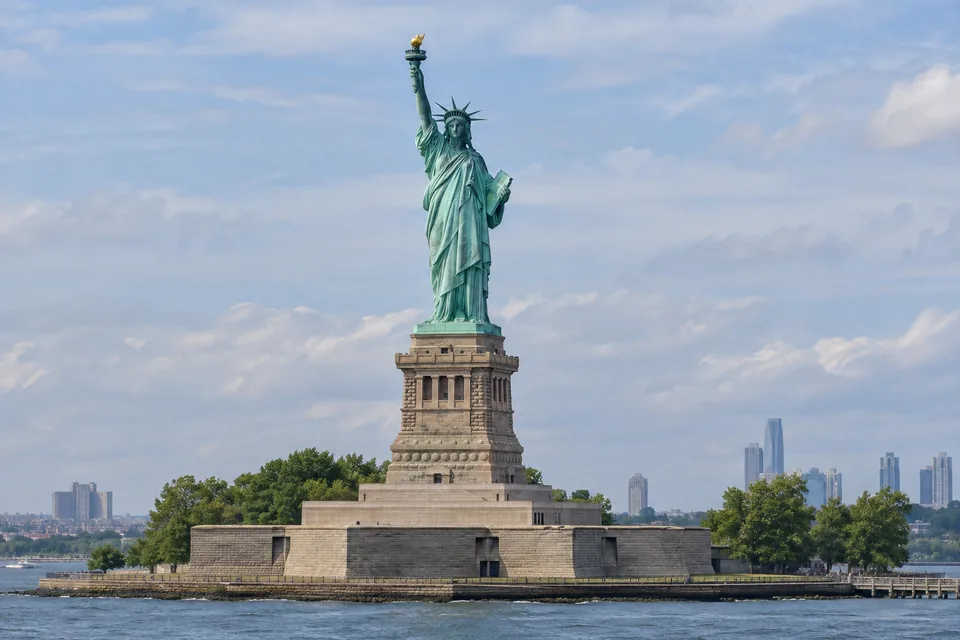
The Statue of Liberty is green because its copper surface reacted with the environment, forming a coating called a patina. It was not always the familiar green landmark.
According to the National Park Service, the statue was brown when completed in 1886. Imagine recognising that silhouette, then realising the colour looks wrong.
A makeover measured in decades
The change happened gradually as the copper was exposed to the air and weather. Oxidation is the name for the chemical process involved.
The Park Service estimates that the full green patina took about 30 years to develop. Its teaching guide gives a range of 25–30 years and explains that the lack of colour photographs makes an exact timeline difficult.
A surprisingly thin copper skin
The outside is copper roughly 2.5 millimetres thick. The huge figure therefore has a much thinner metal skin than its size might suggest, supported by an internal structure.
Its appearance tells a story about materials and time, much like the small lime fragments in long-lasting Roman concrete.
Look again at a landmark
Green feels like part of the statue’s identity now, but it records a change that happened after construction.
Historic buildings have other surprises hiding in plain sight. Those stone monsters called gargoyles, for instance, may be doing a very practical job in the rain.