
A network, not one track
The Silk Road was a network of trade and communication routes linking communities across Asia and towards Europe. Land and sea routes carried goods, people and ideas.
There was no single track that every traveller followed. UNESCO describes an interconnected web of routes, shaped by many societies over a long period.
The cargo changed hands
Picture a precious bundle changing owners at a busy market. One merchant takes it onward; another may buy it farther along.
That is closer to the story than one camel making the whole trip. UNESCO explains that caravans often covered particular sections, stopping to trade, rest or replenish supplies. Think relay, rather than one enormous delivery round.
Silk had company
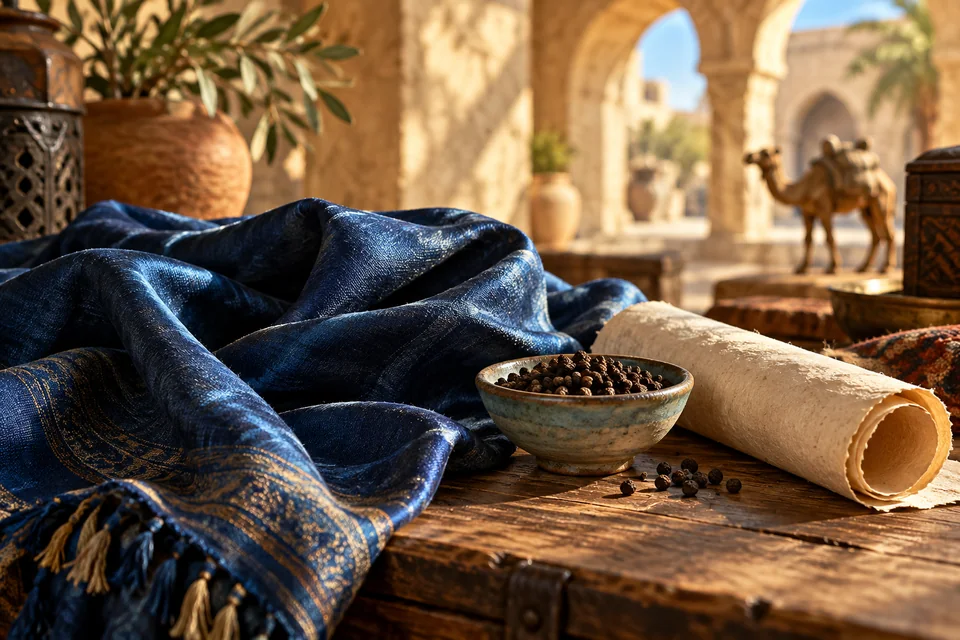
Silk gave the network its familiar name, but the cargo was far more varied. Spices, other textiles, precious stones and metal objects travelled too.
Knowledge moved between communities as well. UNESCO highlights the spread of papermaking and printing techniques. A useful idea could travel without taking up much room in a pack.
More than a shopping trip
Trading meant meeting people with different languages, customs and beliefs. Towns and ports became places of exchange.
The name makes you picture a road. The more interesting picture is a network of people passing things on.