
Follow the wind
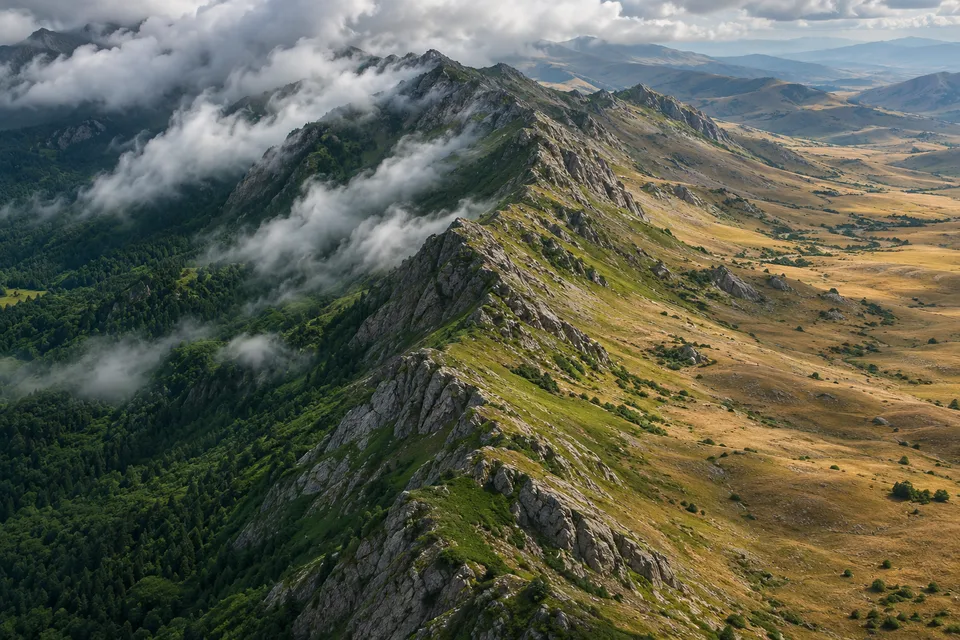
A rain shadow is an area on the sheltered side of a mountain that gets less rain or snow. As moist air climbs the slope facing the wind, it cools. Water vapour can condense into clouds, and rain or snow may fall on that side of the ridge.
NASA’s precipitation team describes the increase in precipitation as air rises over mountains. The slope facing the incoming wind is called the windward side.
Over the ridge
Some of the moisture has already fallen by the time the air reaches the other slope. As air descends on this leeward side, it warms. Clouds can thin out, making rain or snow less likely. That warming and loss of cloud are part of the National Weather Service’s definition of a rain shadow.
On a sketch map, draw an arrow from the ocean towards a ridge. The arrow shows which slope faces the incoming air and which lies downwind. Change the direction of the arrow and the windward side changes too.
Height matters for visibility as well as rainfall. In a separate weather example, use the shape of the land to predict which road lies inside a layer of valley fog.
From rainforest to rain shadow
On Washington’s Olympic Peninsula, many storms arrive from the Pacific. The National Park Service describes the west of Olympic National Park as much wetter than places farther east. Both are on the same peninsula, with the Olympic Mountains between them.
A rain shadow describes a difference across the mountains. The sheltered side can still get rain. On your next map, try using contour lines to find the ridges before looking at where the rain tends to fall.